
Conservation Picture Framing Specialists
Over four decades of craft, care and expertise - trusted by collectors, galleries and museums to protect what matters most.
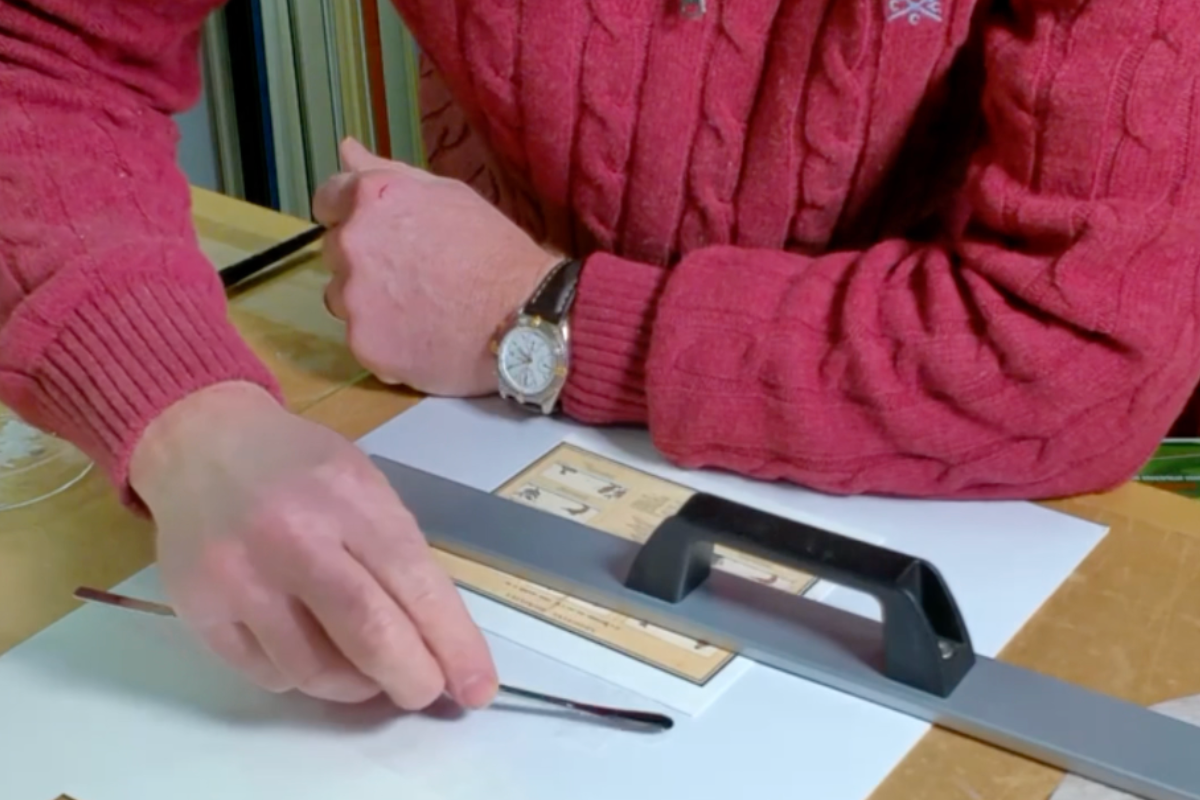
Conservation picture framing - sometimes called museum grade framing or archival framing - is the gold standard in artwork preservation. Unlike standard framing, every material and technique used in the conservation framing process is specifically chosen to protect your artwork from deterioration, ensuring it can be safely displayed, stored, and - crucially - removed from the frame in its original, undamaged condition years or even decades from now.
At Menor, conservation framing is not an add-on. It is the foundation of everything we do.
Whether you are protecting a signed watercolour, a limited-edition print, a family photograph, or a piece of significant financial and cultural value, our expert picture framers are members of the Fine Art Trade Guild and apply the same meticulous standards to every commission.
What Is conservation picture framing?
What makes conservation framing different?
The Menor approach to conservation framing
Conservation and museum grade picture framing is defined by the materials used and the techniques applied. At Menor, we hold ourselves to the highest archival standards at every stage of the process.
Archival, acid-free mountboards
All mount boards used in our conservation framing service are fully archival: acid-free, lignin-free and pH neutral. Standard mount boards contain acidic compounds that migrate into artwork over time, causing irreversible yellowing, foxing and deterioration. Our archival boards are engineered to resist ageing, ensuring your artwork is never in contact with anything harmful.
Museum grade glass & UV protection glazing
Light - particularly ultraviolet light - is one of the most damaging forces acting on artwork. Our museum grade picture framing includes a choice of specialist conservation glazing options, including UV-filtering glass and museum-grade anti-reflective glass, which block the wavelengths responsible for fading and discolouration. The difference over time is significant: properly glazed artwork retains its colour and integrity for generations; unprotected artwork can show visible fading within years.
Reversible, non-damaging mounting techniques
In conservation and museum grade framing, the principle of reversibility is paramount. Your artwork must never be fixed in place using adhesives, tapes or methods that cannot be cleanly undone. Our conservation framers use specialist conservation-approved mounting techniques - including hand-lacing and T-hinge mounting with reversible Japanese tissue - that hold your artwork securely without ever touching it with anything permanent or potentially harmful.
Controlled workshop environment
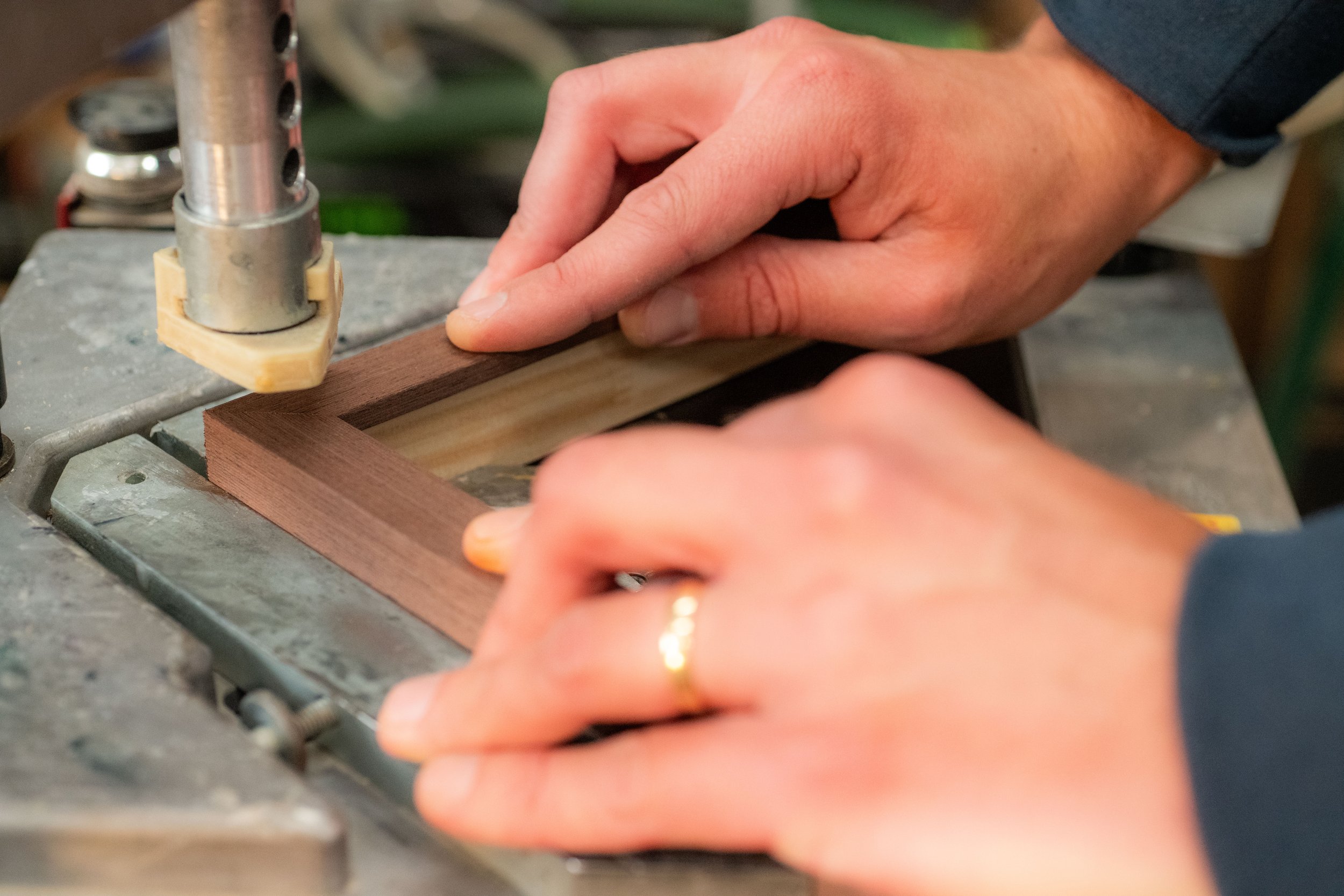
Every conservation frame at Menor is hand-made to order and completed entirely on-site, in a clean and controlled workshop environment. This gives us full oversight of the process from initial consultation through to our Quality Assurance inspection - so nothing is ever subcontracted, and no detail is ever overlooked.
Conservation framing
Frequently asked questions
-
Conservation picture framing is a specialist framing method that uses archival, acid-free materials and reversible mounting techniques to protect artwork from deterioration. The goal is to preserve the artwork in its original condition while allowing it to be safely displayed. All materials used — including mount boards, adhesives, glass and backing — are chosen specifically to avoid causing any chemical or physical damage to the work.
-
Standard picture framing prioritises aesthetics and cost-efficiency, but many of the materials used — including standard mount boards, non-archival tapes and basic glass — can actively damage artwork over time through acid migration, UV exposure and humidity changes. Conservation picture framing uses only museum-approved, archival-grade materials and reversible techniques. Every element of the frame is chosen to protect, not simply display, the artwork.
-
Museum grade framing — also referred to as museum standard framing or archival framing — is the highest level of conservation framing available. It is the standard used by galleries, public institutions and museums to preserve works of art for the long term. Museum grade picture framing typically involves acid-free and lignin-free mounts, UV-protective conservation glass, reversible mounting methods, and sealed backing systems to protect against dust, moisture and environmental pollutants.
-
If your artwork has sentimental, financial or cultural value — or if you simply want to know it is being cared for properly — conservation picture framing is strongly recommended. It is particularly important for original works on paper (watercolours, drawings, prints, pastels and photographs), which are especially vulnerable to environmental damage. Even reproductions can benefit from conservation framing if long-term display is intended.
-
Conservation framing uses a specific set of archival-grade materials: acid-free, pH-neutral mount boards; conservation-approved, reversible adhesives such as Japanese tissue; UV-filtering or museum-grade anti-reflective glass; FSC-certified or acid-free backing boards; and conservation-approved frame mouldings. At Menor, we hold an extensive range of these materials across all of our studios, and our framers will guide you through the options most appropriate for your artwork.
-
Yes. Our conservation framers can inspect existing frames and, where necessary, reframe your artwork using fully archival materials and techniques. We are also happy to provide an artwork condition report — particularly valuable for higher-value pieces that may never have been examined out of their frames — so you have a clear understanding of the artwork's current state before any work begins.
-
There are several signs that existing framing may be causing harm: yellowing or brown staining around the edges of the artwork (acid migration from the mount board); visible fading or colour shift (UV damage through non-protective glass); tide marks or rippling (moisture damage from non-sealed backing); or tape residue or adhesive staining on the reverse of the work. If you suspect any of these issues, we offer a checking service at all Menor studios to give you an honest assessment and, where needed, a conservation reframing solution.
Conservation framing you can trust
Menor are members of the Fine Art Trade Guild with over 40 years of experience in the conservation of fine art. The Fine Art Trade Guild is the professional body for the UK picture framing industry, and our team of conservation framing experts work to Guild guidelines and standards.
Our conservation framing clients include private collectors, artists, architects, interior designers, galleries and institutions. Whatever the artwork — and whatever its significance — we apply the same rigorous standards and the same personal care.
Every frame leaves our workshop having passed a comprehensive Quality Assurance inspection. Because when it comes to conservation picture framing, the detail is everything.
Artwork We Specialise in Conservation Framing
Our conservation and museum grade framing service covers a wide range of media and formats, including:
Original works on paper: watercolours, drawings, etchings, lithographs and pastels
Fine art photography and archival photographic prints
Limited edition and open edition giclée prints
Oil paintings on canvas and board
Needlework, tapestries and textile art
Certificates, documents and manuscripts
Maps, antique prints and vintage ephemera
Medals, memorabilia and three-dimensional objects
If you have something unusual or particularly precious, speak to our conservation framers directly — we have encountered (and protected) an exceptional range of treasures over the past four decades.

Conservation Framing Studios in Cambridgeshire, Hertfordshire and Essex
Menor operates dedicated framing studios in Sawbridgeworth (Hertfordshire), Cambridge (Cambridgeshire) and Harlow (Essex). Each studio carries an extensive range of conservation framing materials and is staffed by our expert team, who are available to provide a full in-person consultation.
We work with clients from across the UK, and are experienced in handling and transporting high-value artwork with the care it deserves.
Our Latest Insights
-

Enhancing Design Success: How Bespoke Picture Framing Can Support Architects and Interior Designers
-
How Professional Picture Framing Can Elevate Your Large Format Print Offering
-

A new era for Menor
Where to find Menor
Unit 20, Barnwell Business Park
Barnwell Drive
CAMBRIDGE
CB5 8UZ
hello@menor.co.uk